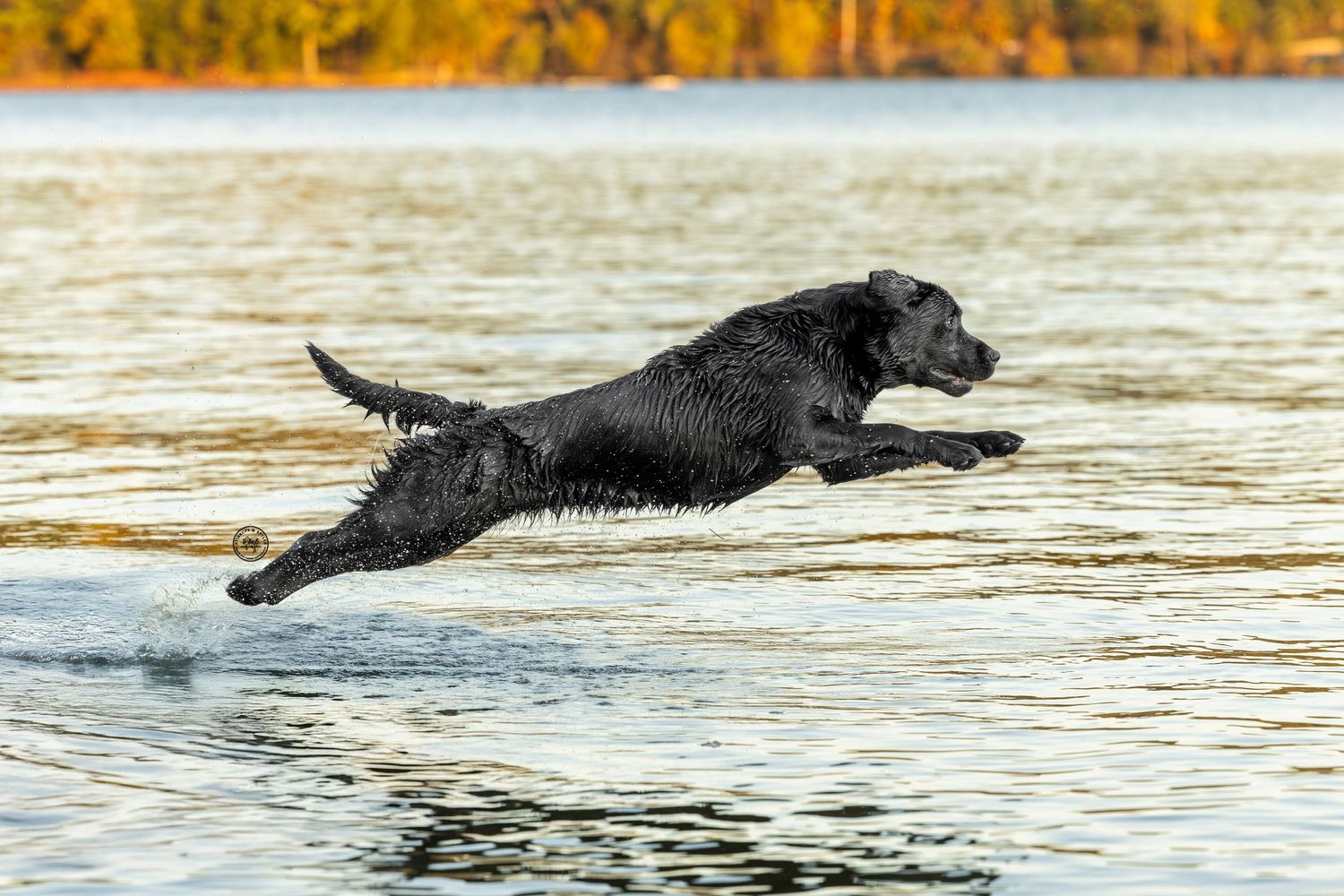
Brought to you by Maren English with Stirrups and Styles Photography

Sit
Teaching your dog to sit is a great first step and one of the easiest commands to teach your dog. It makes it one of the best starting points when training obedience. Teaching a dog to sit helps them build focus, obedience, patience, and sets the way for them to learn some of the more advanced commands.
Step One:
- Get your dog's attention. Use their favorite treat or toy.
- Find an area that is free of extra distractions, this helps to provide a positive atmosphere where they can succeed easily.
- Stand in front of your dog
Step Two:
- Let your dog know that you have a treat or their favorite toy by holding it in front of their nose.
- Once you have their attention move the treat over their head towards their back.
- As their head follows the treat, their bottom will naturally want to lower towards the ground.
Step Three:
- Any sign that your dog gives you that they are thinking "bottom down" or "sit," reward the behavior by say "sit" (or whatever command you want to use), and giving them a treat or praising, even if it is just the tiniest movement. They will very quickly catch on that, "if I begin to do this, I get a treat!" This is the mental behavior that we want!
Step Four:
- Continue Step three, and after 2 or 3 times of them thinking "sit," begin to pause your praise until they are almost, or completely sitting down. Don't forget to say your sit command every time they think of sitting down.
- This is when they should be sitting down with the help of a treat and with the use a the verbal sit command.
Step Five:
- Your dog should now be sitting with the use of a treat, or toy and your verbal sit command.
- Begin to phase out using a treat to get them to sit.
- Using only your verbal sit command, ask them to sit and only reward and praise AFTER they are sitting.
Tips and Troubleshooting
- Practice these steps in different locations throughout the training session
- If your dog begins to become overwhelmed, go to a different location and have a play session where you throw their toy, play tug, or just love on them.
- Be patient! Keep your mindset positive and remember that dogs don't speak our language. What you're trying to teach them is like us learning a whole new language.
- If your dog backs up instead of sitting, practice near a wall.
- Use a calm tone of voice, dogs really rely on our voice ton to see how we are responding to something they are doing.
- Avoid repeating your sit command multiple times.
What to do if your dog just won't sit!
It isn't uncommon for a dog to not understand what the heck you're trying to teach them.
If you can't get past step two, it is okay to incorporate a physical command as well as a verbal. You can verbally say your "sit" command and then gently press your dog's bottom to the floor. Reward them as soon as they sit!

Lay Down
The lay down command can be taught before the sit command, but it is much easier to teach if your dog already knows how to sit using a verbal command. A lay down command can help your dog go from a "flight and fight" mindset to a "rest and digest" mindset. When dogs lay down this activates their parasympathetic nervous system, which lowers their heart rate and reduces their stress. Ultimately when your dog lays down, it tells their brain, "we're good, we can relax."
Step One:
- Start with your dog in their sitting position.
Step Two:
- Hold a treat close to their nose
- Begin to move the treat towards the ground between their front paws.
- Slide the treat across the floor away from your dog. This encourages them to lower their body.
Step Three:
- Give your verbal command! Any sign that your dog gives that they are thinking "down" or "lower" reward the behavior by say "down" (or whatever command you want to use), and giving them a treat or praising, even if it is just the tiniest movement. They will very quickly catch on that, "if I begin to do this, I get a treat!" This is the mental behavior that we want!
Step Four:
- Repeat Steps two and three, making sure to keep it really positive. After 2 or 3 times of them thinking "down," begin to pause your praise until they are almost, or completely laying down. Don't forget to say your "down" command every time they think of lowering down.
- If your dog only lowers their head or only stays halfway down, continue moving the treat forward and away from them.
- This is when they should be laying down with the help of a treat and with the use a the verbal down command.
Step Five:
- Once your dog is laying down using a treat and a verbal command, begin to phase out the treat
- Only praise and reward after your down is laying down.
Tips and Troubleshooting
- As your dog begins to understand your lay down command, gradually ask them to stay down longer before you reward them. This will set them up for their "stay" command in the future.
- Practice in different environments and take breaks after ending on a good note.
- It's okay if your dog doesn't get it the first time or two you teach them. Stay consistent!
- Use a soft surface such as a carpet, or grass.
- Avoid pushing your dog into positing with this command, as that can be super confusing.

Stay
Teaching your dog to stay is a great way to teach them self control and in some situations keep them safe! This can be a very tricky command to teach as it takes a lot of self control and patience from you and your dog. Consistency is key!
Step one:
- Set them up for success in a calm and as distraction free space as possible.
Step two:
- Introduce the "stay" command by holding out your hand, with your palm facing your dog and clearly say your "stay" command.
Step three:
- Take a small step back (one step).
- If your dog stays in place, immediately reward with treats, and praise.
Step Four:
- Gradually increase the distance between you and your dog as well as the duration of how long they must stay in one place.
- If and when your dog breaks away, calmly move them back to the starting place and try again with a shorter distance between you and your dog.
Step Five:
- Use a release word.
- Teach your dog that when they no longer have to sit still you will use a release command such as, "okay!" or "done."
- Only reward if they stay until you give them the release command.
Tips and further education
- Once your dog is reliable, slowly add distractions by taking them to a busier environment to test them.
- Introduce toys and sounds.
- Stay consistent but don't let your training session go on for more than 10-15 minutes as it can then become negative.
- Begin to mix in stay commands during meal times and daily routines.

Come
Personally, I see this as the number one most important command to teach your dog as it can help to keep them safe in dangerous situations!
Step one
- Start with a quiet outdoor area.
- Find a long leash, or make your own out of paracord.
- Use a happy and upbeat tone of voice.
Step two:
- Choose a consistent word such as "come," or "here" or even whistle.
- Avoid using your dog's name as a recall.
Step three:
- Using your long lead line, allow your dog to do their own thing. Smell, play, etc.
Step Four:
- Plainly and calmly say your come command, only once. If your dog does not respond, gently use your long lead line to guide them towards you. Once they are within reach, physically praise them but refrain from giving them any sort of treat.
- Allow them to wander away, or keep playing
Step Five:
- Repeat step four until your dog comes to you without you having to pull them towards you. Once your dog is freely coming to you without you having to use the leash begin to incorporate a shorter leash and/or off leash commands in a controlled environment such as a fenced in yard.
Step Six:
- Give your come command while your dog is off leash, or on a shorter leash. Take note of where you are standing, make it an obvious spot.
- If and when your dog does not come to you, physically go and get them and guide them over to the spot you originally told them to come to.
- Allow them to go off again.
Step seven:
- Repeat step six
- Once your dog is coming to you on command make it the absolute best part of their day. LOTS and LOTS of praise. When they come to you, you want for it to be the most positive experience.
Ready to book?!